
Moving from Bay Area homes takes more planning than most people expect. Steep hills, tight street parking, older buildings without elevators, and high labor costs all shape how your move goes and what it costs. A clear timeline turns a stressful job into a series of small tasks you can finish one week at a time. This guide breaks moving from Bay Area into stages, starting about 12 weeks before your move date. Each stage covers what to do, why it matters, and which rules protect you along the way. Whether you are moving from Bay Area homes to Sacramento, Los Angeles, or another state, the same order of steps applies. Follow it and you will spend less, avoid surprise charges, and arrive with fewer things broken or forgotten.
Why a Timeline Matters When Moving From Bay Area
Good movers book up fast for anyone moving from Bay Area, especially between late spring and early fall. If you wait until the last month, you take whatever date and price remains. A timeline also gives you room to sort your belongings, which directly lowers your bill on longer moves. When moving from Bay Area neighborhoods, you also deal with city rules for truck parking, building move windows, and HOA notices. Each of these needs lead time when moving from Bay Area. Think of the timeline as a budget tool as much as a scheduling tool. Every week you plan ahead gives you more choices and more negotiating power. People who start early compare more quotes, catch problems in contracts, and avoid paying rush rates for packing supplies or crews.
12 to 8 Weeks Out: Set Your Budget and Shortlist Movers
Start moving from Bay Area plans with a realistic budget. List your moving date, destination, home size, and any special items such as a piano, safe, or artwork. Then build a shortlist of three or more movers that handle moving from Bay Area routes like yours.
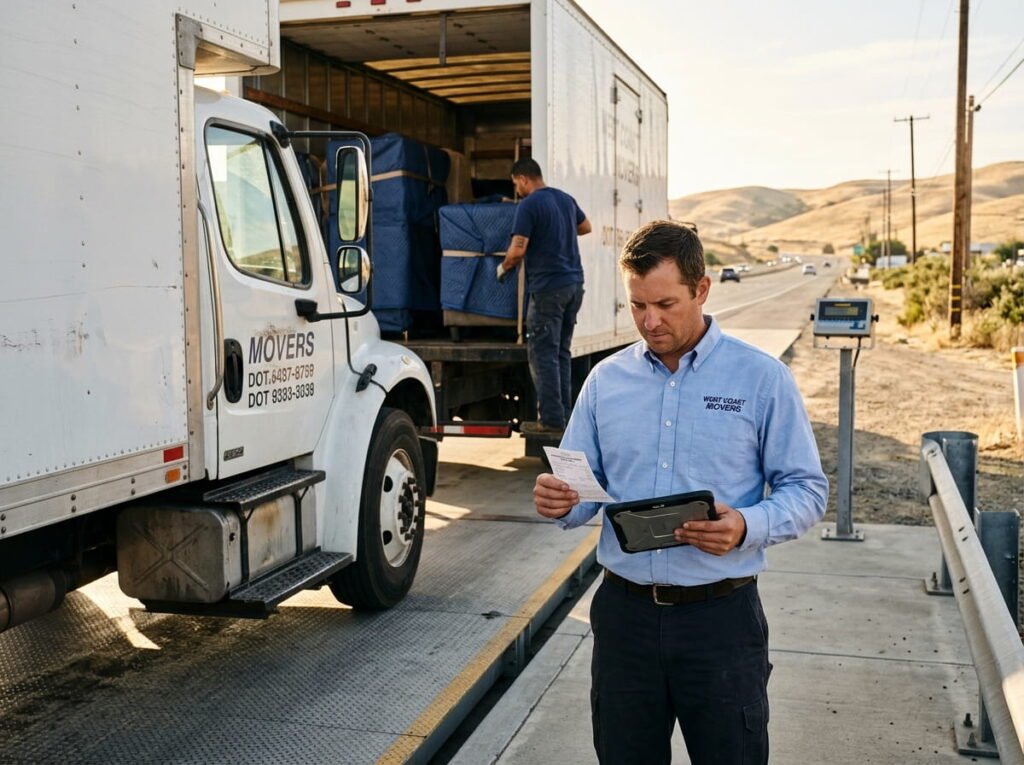
Check licensing before you call anyone about moving from Bay Area. For moves within California, the Bureau of Household Goods and Services (BHGS) issues permits to household movers, and you can look up any company on its website. For moves to another state, the mover must hold a USDOT number registered with the Federal Motor Carrier Safety Administration (FMCSA). You can search that number on FMCSA’s Protect Your Move site.
Before moving from Bay Area, ask each mover to schedule a visual inspection of your home. California rules make it illegal for a mover to give a written estimate for an in-state move without first inspecting your goods. BHGS strongly recommends an in-person walkthrough over photos or video. A phone or online number does not count as an estimate.
8 to 6 Weeks Out: Declutter Before You Pay to Ship It
This stage saves the most money when moving from Bay Area to a far destination. Under California rules, a move over 100 constructive miles must be priced by weight and mileage. Interstate movers also price long hauls mainly on weight and distance. Every box of things you do not need adds pounds you pay to carry.
Before moving from Bay Area, go room by room and sort items into four groups: keep, sell, donate, and haul away. Start with garages, basements, and storage closets, since these spaces hide the heaviest clutter. Old exercise equipment, broken furniture, and boxes of paperwork add weight fast.
Book junk removal early when moving from Bay Area homes with full garages. Plan it for anything you cannot sell or donate. Local crews like Junk Relief Squad in Oakland can clear out bulky items in one visit, so your mover only quotes what you plan to keep. Finish sorting before the final estimate if you can. A lighter, cleaner home gives the estimator an accurate picture and a lower number to work from.
Full Service, Hybrid, or DIY: Picking the Right Option
Not every plan for moving from Bay Area needs the same level of help. Your budget, distance, and schedule decide which option fits best.
A full service move covers packing, loading, transport, and unloading. This option saves the most time and works well for families moving from Bay Area homes to another state on a tight schedule. It also costs the most, since you pay for labor at every stage.
A hybrid move splits the work. You pack your own boxes, and a licensed crew loads, drives, and unloads. Many people moving from Bay Area apartments pick this route because packing labor adds a large share to the bill.
A DIY move means you rent a truck or portable container and handle everything yourself. It costs less in cash but more in time and effort. Steep driveways, narrow stairs, and long drives make DIY harder than it looks when moving from Bay Area neighborhoods with limited parking.
Whichever option you choose, get the details in writing. A clear plan for moving from Bay Area prevents confusion on the day the truck arrives.
6 to 4 Weeks Out: Book Your Mover and Lock in the Estimate
Compare written estimates for moving from Bay Area line by line, not just the bottom number. Look at the rate, the estimated weight or hours, packing charges, and any fees for stairs, long carries, or shuttle trucks.
For moves within California, every household move must come with a “Not to Exceed” price. That figure caps what you pay unless you ask for extra services, and any change orders need to be in writing and signed by both sides before loading. BHGS also advises that you receive the agreement at least three days before moving day.
If you are moving from Bay Area to another state, ask for a binding estimate by name. FMCSA rules say a binding estimate means you pay 100 percent of the quoted amount at delivery. With a non-binding estimate, the mover cannot demand more than 110 percent of the estimate at delivery. A mover may charge a fee to prepare a binding estimate, so ask about it upfront.
Once you pick a mover for moving from Bay Area, confirm your date, crew size, arrival window, and payment method in writing.
4 to 2 Weeks Out: Utilities, Address Changes, and Parking Permits
Now shift to the paperwork side of moving from Bay Area. File your change of address with USPS online so your mail follows you. Update your address with your bank, employer, insurance providers, and any subscriptions.
Schedule utility shutoff at your old home for the day after you leave, and set up service at the new home for the day before you arrive. In much of the region, PG&E provides gas and electric service, while water and trash come from your city or a local district.
Parking deserves special attention when moving from Bay Area streets. Many Bay Area streets have no room for a large truck. Cities such as San Francisco require temporary signage or a permit to reserve curb space for moving vans, and processing can take several days. Check with your city early and share the details with your mover.
If you rent or live in a condo, tell your landlord or HOA in writing before moving from Bay Area. Many buildings require you to reserve the elevator and set move hours. Ask about deposit rules and move out inspections at the same time.
The Final Week: Pack Smart and Protect Your Belongings
Packing for moving from Bay Area works best room by room. Pack the rooms you use least first, then work toward the kitchen and bathroom. Label each box with the room and a short content list. Keep a separate “open first” box with chargers, medications, toiletries, basic tools, and bedding.
Before moving from Bay Area, review your liability coverage. For interstate moves, federal law requires movers to offer two options. Full Value Protection makes the mover responsible for the replacement value of lost or damaged goods. Released Value costs nothing but limits the mover’s responsibility to 60 cents per pound per article. Under that option, a 25 pound TV that gets damaged would bring you only about $15. If you own valuable electronics, art, or antiques, the cheaper option rarely makes sense.
Take photos of furniture and electronics before the crew arrives. Pack important documents, jewelry, and passports yourself and carry them with you.
Moving Day and the First Week After
On moving day, walk through the home with the crew lead before loading begins. Point out fragile items and anything that should stay behind. Read every document before you sign it, including the inventory and the bill of lading for interstate moves.
Keep your phone charged and stay reachable until the truck leaves. Do a final sweep of closets, cabinets, and the garage. Then clean, photograph the empty rooms, and return keys as agreed.
At your new home, check the inventory as boxes come off the truck. Note any damage on the delivery paperwork before the crew leaves. File claims in writing as soon as possible. Within your first week, confirm that your address change went through, set up your new utilities, and look up vehicle registration and driver’s license rules if you moved to a new state. Small follow ups like these close out a successful plan for moving from Bay Area without loose ends.
Frequently Asked Questions About Moving From Bay Area
1. How far in advance should I start planning when moving from Bay Area? Start about 12 weeks ahead. For moving from Bay Area, that gives you time to compare licensed movers, schedule in-person estimates, and declutter before the final quote.
2. How do I check if a mover is licensed in California? Before moving from Bay Area to another California city, search the company on the Bureau of Household Goods and Services website. All household movers working within California need a BHGS permit.
3. What should I check for an interstate move out of the Bay Area? When moving from Bay Area to another state, confirm the mover’s USDOT number on FMCSA’s Protect Your Move site. Legitimate interstate movers and brokers register with FMCSA.
4. Can a mover give me an estimate over the phone? Not for an in-state California move. When moving from Bay Area to another city in the state, the law requires a visual inspection before a written estimate, and phone or online estimates may not hold up.
5. What is a “Not to Exceed” price? It is the maximum amount a California mover can charge you unless you request more services. Every in-state household move must include one.
6. How do movers price a long move from the Bay Area? Moves over 100 constructive miles within California must be priced by weight and mileage. Interstate movers also rely mainly on weight and distance.
7. Does decluttering really lower my moving cost? Yes, especially when moving from Bay Area over long distances. Fewer pounds on the truck means a lower transportation charge, so haul away unwanted items before your estimate.
8. What is the difference between binding and non-binding estimates? On interstate moves, a binding estimate fixes your price at delivery. A non-binding estimate lets the mover collect up to 110 percent of the estimate at delivery.
9. Do I need a parking permit for my moving truck? Often, yes. Moving from Bay Area usually means dealing with tight curbs. Many cities, including San Francisco, require temporary signs or permits to hold curb space. Apply early since processing takes time.
10. When is the best time of year for moving from Bay Area? Late fall and winter usually offer more open dates, since summer is the busiest season for movers. Booking early helps with moving from Bay Area in any month.
Final Thoughts
A smooth plan for moving from Bay Area comes down to order and timing. Verify your mover first, cut weight early, lock in a written price, and handle permits and paperwork before the final week. Each step protects your budget and your belongings. Start your moving from Bay Area timeline today, and your move will feel far more manageable when the truck finally pulls up.