
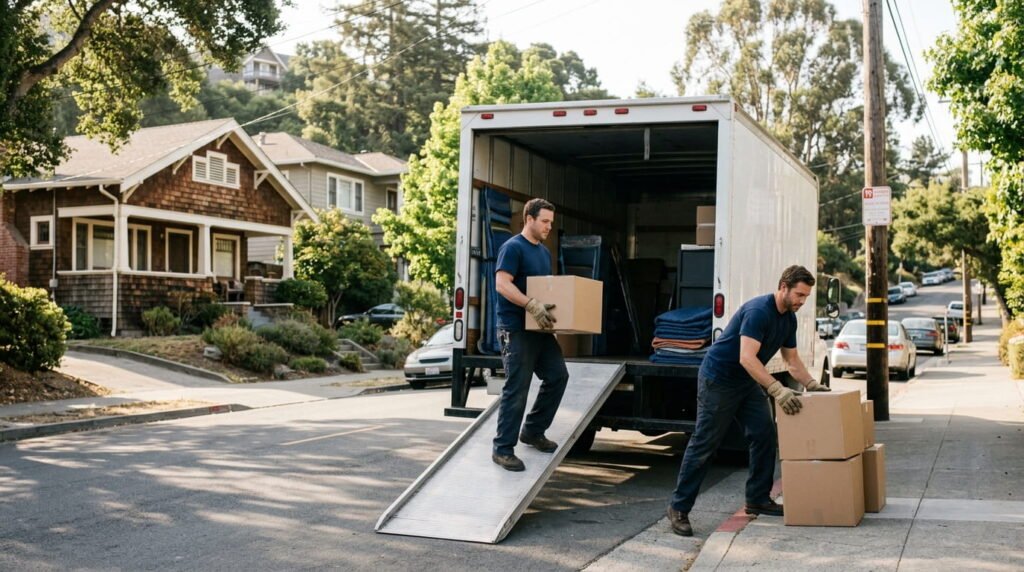
Packing feels overwhelming when you stare at a full house and a tight deadline. The fix is order. When you pack the right items at the right time, you avoid last-minute panic, lost essentials, and a house full of half-filled boxes. This moving packing checklist shows you what to pack first, what to save for last, and how to sort your belongings before you put anything in a box. You will also learn how to cut your load so you pay to move only what you want. Follow the steps in order, adjust the timeline to your move date, and you will reach moving day with a calm, organized home.
Why Packing Order Matters
A random approach to packing creates problems, which is why every good moving packing checklist follows a set order. You pack your coffee maker on day one, then spend a month buying coffee. You tape up a box of winter coats, then face a cold snap. You label nothing, then spend hours opening cartons to find a phone charger.
A clear order solves these problems. You start with items you do not need and finish with the items you use every day. This approach keeps your home functional until the final days, spreads the work across several weeks, and reduces stress. A good moving packing checklist also gives you a sense of progress, since every checked item shrinks the pile.
Start earlier than you think you need to, and keep your moving packing checklist on the fridge where everyone can see it. Most households take longer to pack than expected, especially if they have a garage, an attic, or a storage unit full of forgotten belongings.
Step One: Declutter Before You Pack
The first task is not packing at all. Sort your belongings before you buy a single box. Every item you remove saves money on boxes, tape, and moving labor.
Work through one room at a time, checking each item against your moving packing checklist, and place each item into one of four groups: keep, donate, sell, or discard. Ask yourself whether you used the item in the past year, whether it fits your new space, and whether it works. Be honest. Moving a broken lamp to a new home does not fix the lamp.
Donate clean, usable clothing, books, and kitchenware. Sell furniture and electronics that hold value. For bulky or worn items, such as old mattresses, broken appliances, and large furniture, schedule a pickup. Junk Relief Squad, a California junk removal company, hauls away items you do not want, which clears your space and speeds up packing. Book removal early so unwanted items leave before you start filling boxes.
Gather Your Packing Supplies
Collect your supplies before you start your moving packing checklist so you never stop mid-room to hunt for tape. A basic kit includes:
- Small, medium, and large boxes in sturdy cardboard
- Packing tape and a tape dispenser
- Permanent markers and labels
- Packing paper, bubble wrap, and stretch wrap
- Wardrobe boxes for hanging clothes
- Zip bags for screws, bolts, and small parts
- Scissors or a box cutter
Buy more than you think you need. Return unused boxes if the store allows it. Ask friends, coworkers, and local stores for free boxes, and check that used boxes are clean and strong. Avoid boxes from grocery stores that held food, since they can carry pests.
What to Pack First When Moving
Now the real work begins. Start with items you rarely use. These belongings can sit in boxes for weeks without disrupting your routine. Use this section of your moving packing checklist as your starting line.
Off-Season Items
Pack clothing, shoes, and gear for the opposite season. In Oakland’s mild climate, that might mean heavy winter coats, holiday decorations, or summer sports gear. Place them in clearly labeled boxes and stack them in a spare room or the garage.
Decorations and Wall Art
Take down pictures, mirrors, and shelves you can live without. Wrap frames in paper and stand them upright in a box so the glass does not crack. Remove nails and patch small holes if your lease requires it.
Books, Collectibles, and Hobby Supplies
Books weigh a lot, so use small boxes and keep each one under forty pounds. Pack collections, craft supplies, games, and hobby gear next. Label every box by category and room.
Items From Storage Areas
Garages, attics, basements, and closets hold items you forgot you owned. Clear these spaces early. They contain tools, camping gear, and paint, and they often hide the best candidates for donation or removal.
Extra Kitchen and Linen Items
Pack serving dishes, specialty appliances, and extra towels and sheets. Keep one set of linens for each bed and enough dishes for your household for the last two weeks.
What to Pack Next: The Middle Weeks
Two to three weeks before your move, shift from rarely used items to things you use occasionally. Your home should still feel comfortable, but your shelves should look emptier.
Pack guest rooms and spare bedrooms completely. Wrap lamps, rugs, and decorative pieces. Take down curtains and blinds you do not need. Update your moving packing checklist as you go, then move through the living room, packing books, media, and extra furniture items such as side tables or bookshelves, and disassemble furniture you will not use.
In the kitchen, pack most of your cookware, glassware, and small appliances. Keep a small set of plates, utensils, a pot, a pan, and your coffee maker. Wrap dishes in paper, place heavy items on the bottom of the box, and fill gaps with crumpled paper so nothing shifts.
Move to the office or desk area. Back up important files, pack paperwork in labeled folders, and keep sensitive documents such as passports, tax records, and contracts with you.
What to Pack Last
The final days belong to everyday items. Pack these in the last forty-eight hours so your household runs normally until the end.
- Toiletries and bathroom items
- Daily clothing and shoes
- Bedding and pillows
- Remaining kitchen items
- Cleaning supplies
- Phone chargers, laptops, and routers
Keep these items accessible, and use the last night to finish the bedroom and the bathroom. Strip the beds on moving morning and pack the sheets last. Unplug and drain appliances such as the refrigerator and the washer at least a day ahead, as the manufacturer instructs.
Build an Essentials Box
An essentials box carries everything you need on the first night in your new home. Treat it as a personal suitcase rather than part of the load. Carry it in your own car, not on the truck.
Include these items:
- Phone chargers and any needed adapters
- Medications and a basic first-aid kit
- Toiletries, towels, and toilet paper
- A change of clothes for each family member
- Snacks, water, and a few paper plates and utensils
- Pet food, bowls, and medications
- A box cutter, scissors, tape, and a small screwdriver
- Important documents, keys, and cash
Mark the box “open first” on every side. A well-stocked essentials box lets you sleep, eat, and shower on day one without hunting through cartons.
Label Boxes So Unpacking Goes Faster
Good labels cut unpacking time in half. Write the room name on the top and on two sides of every box, because stacks hide the top. Add a short description of the contents, such as “kitchen, glasses” or “bedroom, winter clothes.” Number your boxes and keep a simple list so you can check that everything arrives.
Use colored tape or stickers for each room if you like a visual system. Mark fragile boxes with the word “fragile” and an arrow showing which end faces up. Never pack a box so full that the flaps will not close, and never leave a box so empty that it collapses when stacked.
Common Packing Mistakes to Avoid
Even organized people repeat the same errors. Avoid these and your moving packing checklist will work as designed.
Do not pack by weight alone. Mix heavy and light items in one box and the bottom tears. Do not leave packing for the final weekend, because rushed packing leads to broken dishes and mislabeled cartons. Do not skip the labels, since unlabeled boxes slow unpacking by days. Do not toss loose items into garbage bags, because bags tear and hide small pieces.
Also avoid packing hazardous materials. Movers cannot transport items such as gasoline, propane, paint thinner, and some cleaning chemicals. Ask your moving company for its restricted list, and dispose of these items safely before moving day.
Pack Fragile and Valuable Items Safely
Fragile items need extra care. Wrap each plate, glass, and ornament separately in packing paper. Place plates on their edges, like records in a crate, rather than flat. Fill empty space with paper so items cannot rattle. Use dish boxes or double-walled cartons for your most breakable items.
Keep valuables with you. Jewelry, passports, financial records, laptops, and irreplaceable photos should ride in your own car. Photograph your electronics and furniture before the move so you have a record of their condition.
Hire Help When You Need It
Some tasks go faster with professionals. If your schedule is tight, a packing service or a moving crew can finish a home in a fraction of the time. Hire help for heavy furniture, large appliances, and fragile antiques. When you request quotes, ask about the cost of packing materials, the crew size, and any fees for stairs or long carries.
Even if you pack yourself, a junk removal team can speed the process. Removing unwanted items before you pack means fewer boxes, a shorter moving day, and less to unpack at your new home.
Print Your Moving Packing Checklist
Use this quick timeline to track progress.
| Timeframe | What to Pack |
|---|---|
| Six weeks before | Off-season items, decorations, storage areas |
| Four weeks before | Books, hobby gear, extra kitchen items |
| Two weeks before | Guest rooms, most dishes, office supplies |
| One week before | Most clothing, small appliances, linens |
| Last two days | Toiletries, daily clothes, bedding |
| Moving day | Essentials box, valuables, final items |
Start Packing With a Plan
A strong moving packing checklist turns a huge job into a series of small tasks. Declutter first, pack the items you rarely use, save daily items for last, and keep an essentials box within reach. Label every carton, tick off each task on your moving packing checklist, and protect fragile and valuable pieces with care.
If your home holds furniture, appliances, or clutter that you do not want to pack, contact Junk Relief Squad at junkreliefsquad.com. We help California households clear space before moving day, so you pack less, pay less, and start your new chapter with room to spare.
Frequently Asked Questions
1. What should I pack first when moving?
Pack items you rarely use first, such as off-season clothing, decorations, books, hobby supplies, and items from storage areas. These belongings will not disrupt your daily routine.
2. How early should I start packing for a move?
Start four to six weeks before moving day for a family home, and two to three weeks for a small apartment. Begin earlier if you have a garage, attic, or storage unit.
3. What is the best moving packing checklist order?
Begin with decluttering, then pack off-season items, decor, books, and extra kitchen items. Move to guest rooms and offices, and save daily clothing, toiletries, and bedding for last.
4. What should I pack last when moving?
Pack toiletries, daily clothes, bedding, phone chargers, and basic kitchen items last. Keep these accessible until the final night, and pack your essentials box separately.
5. Should I declutter before or after packing?
Declutter before you pack. Removing unwanted items first reduces the number of boxes, lowers moving costs, and saves time at your new home.
6. What goes in an essentials box?
Include chargers, medications, toiletries, a change of clothes, snacks, basic tools, pet supplies, and important documents. Keep the box with you rather than on the moving truck.
7. How many boxes do I need to move a one-bedroom apartment?
Most one-bedroom apartments need about thirty to fifty boxes in mixed sizes. Declutter first, because fewer belongings mean fewer boxes.
8. How do I pack heavy items like books?
Use small boxes, fill them partway, and keep each box under forty pounds. Place heavy items at the bottom and add padding so nothing shifts.
9. What items should I never pack in a moving truck?
Keep passports, medications, valuables, financial documents, laptops, and keys with you. Check with your mover about restricted items such as flammable liquids and propane tanks.
10. How do I get rid of unwanted furniture before I move?
Donate or sell usable pieces, and schedule a junk removal service for items you cannot donate. In California, many junk removal companies pick up bulky items such as mattresses, sofas, and appliances.